Eco Friendly Packaging vs Plastic Packaging: Which One Is Better for Shipping?

Shipping products safely is one of the biggest concerns for any business, especially in the growing world of e-commerce. But today, it’s not just about protection anymore. Customers are also paying attention to how their packages are packed.
What Is Eco Friendly Packaging?
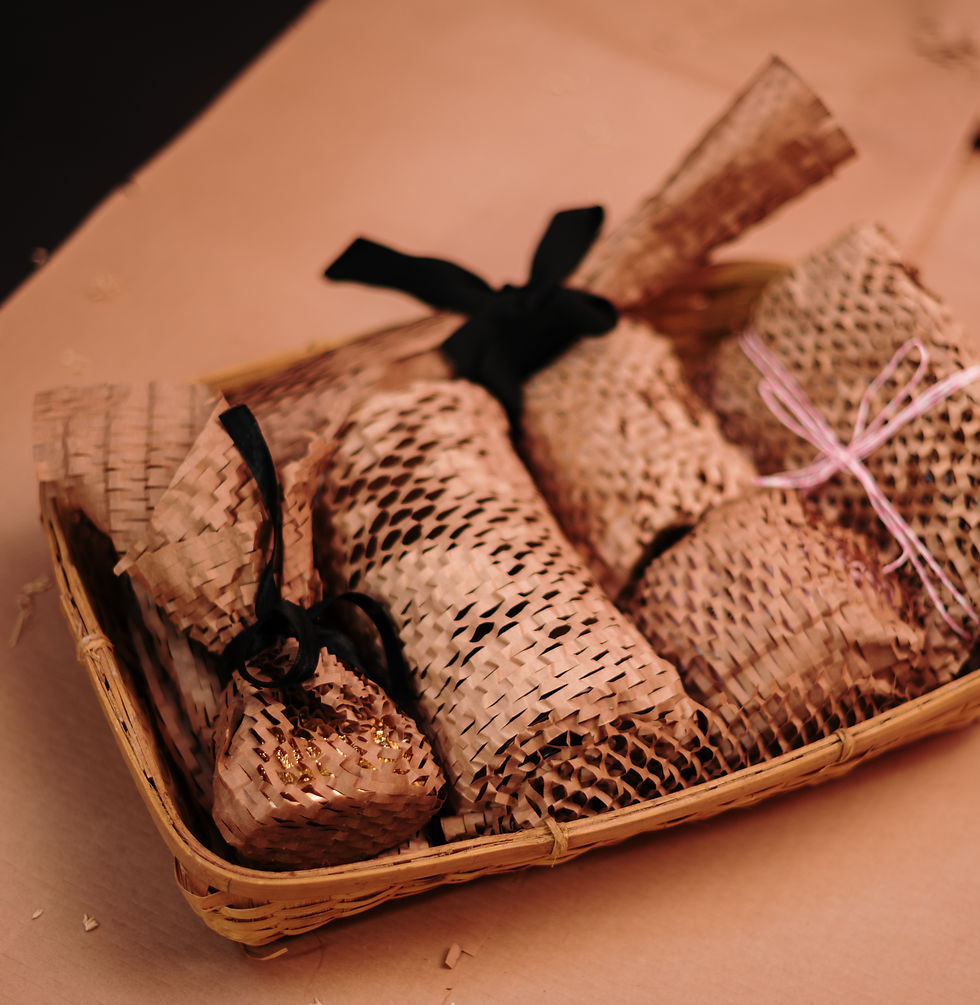
Eco Friendly Packaging refers to packaging materials that are designed to reduce environmental harm. These materials are usually recyclable, biodegradable, compostable, or made from recycled content. Paper-based wraps, honeycomb paper, molded pulp, and corrugated cardboard are common examples.
The goal is simple: protect products while minimizing waste, pollution, and long-term environmental damage. Many businesses are now switching to these materials not just for sustainability, but also because customers expect responsible packaging.
Understanding Plastic Packaging in Shipping
Plastic packaging has been used for decades because it is lightweight, flexible, and water-resistant. Materials like bubble wrap, plastic air pillows, and poly mailers are widely used because they provide good cushioning and are relatively inexpensive.
However, plastic packaging has a major downside — it is difficult to recycle in many regions and often ends up in landfills or oceans. Unlike paper-based materials, plastic can take hundreds of years to decompose, which raises serious environmental concerns.
Protection and Safety: Which One Performs Better?
When it comes to shipping, protection is the top priority. If a product arrives damaged, both the business and customer suffer. Plastic packaging, especially bubble wrap, has long been known for its strong shock absorption and moisture resistance.
But modern Eco Friendly Packaging has evolved significantly. Materials like honeycomb paper wrap and layered kraft cushioning are now designed to provide similar levels of impact protection. These materials expand and create a cushioning structure that absorbs shocks during transit.
In many cases, businesses that switch to paper-based cushioning solutions find that their damage rates remain stable - or even improve - because paper packaging also prevents items from shifting inside the box.
Environmental Impact: The Biggest Difference
The most noticeable difference between plastic and Eco Friendly Packaging lies in their environmental impact. Plastic packaging contributes heavily to global pollution, especially when it is used only once and then discarded.
Eco-friendly alternatives, on the other hand, are designed to be recycled or to break down naturally. Paper-based packaging can often be recycled multiple times and decomposes much faster than plastic if it ends up in the environment.
For businesses looking to reduce their carbon footprint and meet sustainability goals, switching to eco friendly packaging is one of the most effective steps they can take.
Customer Perception and Brand Image
Today’s customers are more environmentally aware than ever. Many shoppers actively prefer brands that use sustainable materials and avoid excessive plastic. Packaging is often the first physical interaction a customer has with a product, and it creates a lasting impression.
Using Eco Friendly Packaging shows that a company is thinking beyond just profits and is taking responsibility for its environmental impact. This can improve customer trust, encourage repeat purchases, and even lead to positive online reviews.
Brands like EcoCushion Paper have seen increasing demand simply because businesses want packaging solutions that align with their sustainability values and customer expectations.
Cost Comparison: Is Eco Friendly Packaging More Expensive?
One of the biggest myths is that eco friendly packaging is always more expensive than plastic. While it may have been true in the past, the price gap has narrowed significantly as demand and production have increased.
In many cases, the cost difference is offset by other benefits such as reduced return rates, better customer loyalty, and improved brand reputation. Additionally, some regions are introducing regulations and taxes on plastic packaging, which can make eco-friendly options more cost-effective in the long run.
When businesses partner with suppliers like EcoCushion Paper, they often find bulk pricing options that make sustainable packaging competitive with traditional plastic materials.
Ease of Recycling and Disposal
Another important factor in shipping is what happens after the package is opened. Plastic packaging often confuses customers because not all types of plastic can be recycled through regular household recycling systems. As a result, many people simply throw it in general waste.
Eco Friendly Packaging, especially paper-based materials, is much easier for customers to recycle. Most households already have paper recycling bins, which makes disposal simple and convenient. This ease of recycling increases the chances that the packaging will actually be recycled instead of ending up in a landfill.
Space, Storage, and Handling
From a logistics perspective, both plastic and paper packaging have their own advantages. Plastic air pillows are extremely lightweight and can be stored flat before use, saving warehouse space. However, paper-based packaging is also becoming more storage-efficient, with many products designed to expand only when needed.
Modern paper cushioning solutions are easy to handle, cut, and wrap around products. Businesses using EcoCushion Paper often report that their packing process becomes more organized because paper materials are easier to stack, fold, and manage compared to loose plastic films.
Regulatory and Future Trends in Packaging
Governments around the world are introducing stricter regulations on single-use plastics. Many countries and states have already banned certain types of plastic packaging or imposed additional charges on their use. This trend is expected to continue as environmental concerns grow.
As a result, businesses that continue to rely heavily on plastic packaging may face increasing compliance challenges in the future. Switching to Eco Friendly Packaging now can help companies stay ahead of regulations and avoid sudden changes later.
Sustainable packaging is not just a trend — it is becoming the new standard in global shipping and logistics.
Which One Should You Choose?
So, which is better for shipping — eco friendly packaging or plastic packaging? The answer depends on your priorities, but for most modern businesses, eco friendly packaging offers a better balance of protection, sustainability, and customer satisfaction.
Plastic packaging still has certain advantages, especially in extremely wet or harsh shipping environments. However, for the majority of e-commerce and retail shipments, paper-based solutions provide enough protection while significantly reducing environmental impact.
Businesses that switch to solutions from EcoCushion Paper often discover that they don’t have to compromise on safety to achieve sustainability. Instead, they gain the added benefits of improved brand perception and easier recyclability.
Final Thoughts
The packaging industry is changing rapidly, driven by environmental awareness, customer expectations, and government regulations. While plastic packaging has served businesses for many years, its environmental drawbacks are becoming harder to ignore.
Eco Friendly Packaging offers a practical and responsible alternative that meets modern shipping needs while reducing long-term environmental harm. For businesses that want to future-proof their operations and build a stronger connection with eco-conscious customers, making the switch is not just a good choice - it is a smart one.



Comments