Honeycomb paper sheets vs corrugated cardboard — which is better for packaging?

Choosing the right packaging material is an important decision for any business. Whether you are shipping fragile items, running an e-commerce store, or managing a manufacturing business, the packaging you choose directly affects product safety, customer satisfaction, and even your brand image. Two common materials used in protective packaging are Honeycomb Paper Sheets and corrugated cardboard.
Both options offer their own benefits, but the question many businesses ask is: which one is better for packaging? In this article, we will explore the differences between these two materials and help you understand when Honeycomb Paper Sheets might be the better choice.
Understanding Honeycomb Paper Sheets
Honeycomb Paper Sheets are made from kraft paper that expands into a honeycomb-like structure when stretched or opened. This unique design creates a network of small cells that act as a cushioning layer around products.
The honeycomb structure works by absorbing shocks and distributing pressure evenly across the surface of the wrapped item. Because of this design, Honeycomb Paper Sheets provide excellent protection for fragile products during storage and shipping.
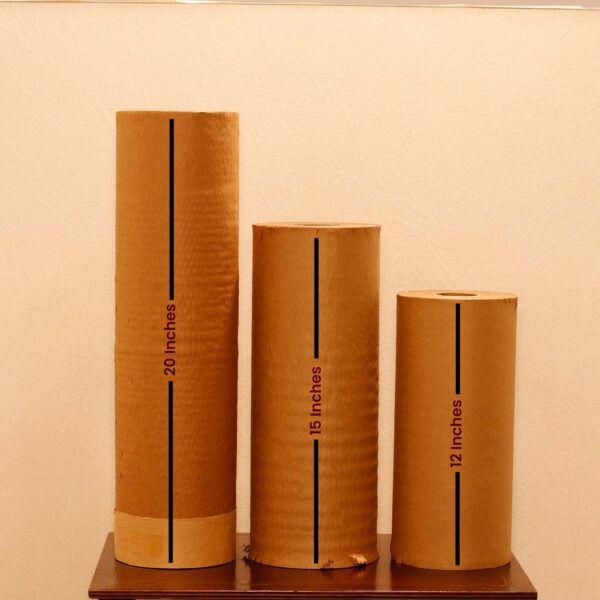
Another major advantage is their flexibility. Unlike rigid packaging materials, Honeycomb Paper Sheets can easily wrap around items of different shapes and sizes. This makes them highly versatile for businesses that package a variety of products.
Many companies are now sourcing high-quality packaging materials from trusted suppliers like EcoCushion Paper, which specializes in sustainable honeycomb paper solutions.
What Is Corrugated Cardboard?
Corrugated cardboard is another widely used packaging material. It consists of three layers: two flat outer sheets and a fluted inner layer. The fluted structure provides strength and durability, which is why corrugated cardboard is commonly used to make shipping boxes.
Corrugated cardboard works best for creating outer packaging containers that hold products during transportation. It is strong enough to stack and store goods in warehouses and shipping trucks.
However, while corrugated cardboard provides structural strength, it does not always offer the same level of cushioning as Honeycomb Paper Sheets when wrapping fragile items directly.
Protection and Cushioning
One of the most important factors in packaging is product protection. Fragile items such as glassware, ceramics, electronics, and decorative pieces need cushioning to prevent damage during shipping.
Honeycomb Paper Sheets are specifically designed for protective wrapping. The honeycomb structure expands to create natural shock absorption, which helps reduce the risk of breakage.
When products are wrapped with Honeycomb Paper Sheets, the paper cells interlock and hold the item securely in place. This prevents movement inside the shipping box and adds an extra protective layer.
Corrugated cardboard, on the other hand, is usually used as an outer box rather than a wrapping material. While it provides strength for stacking and storage, it may still require additional protective materials inside the box.
For this reason, many businesses combine corrugated boxes with Honeycomb Paper Sheets to achieve both strength and cushioning.
Flexibility and Ease of Use
Another major difference between these two materials is flexibility.
Honeycomb Paper Sheets are extremely flexible and easy to wrap around different shapes. Whether you are packaging bottles, jars, electronic devices, or handmade crafts, the paper easily adapts to the product’s shape.
This makes Honeycomb Paper Sheets ideal for businesses that pack a wide variety of items.
Corrugated cardboard, by comparison, is rigid and cannot be wrapped around products. It is primarily used to create boxes or dividers rather than direct protective wrapping.
Companies that require efficient packing processes often prefer Honeycomb Paper Sheets because they are lightweight and simple to handle.
Businesses that work with packaging specialists like EcoCushion Paper often find that switching to honeycomb solutions can streamline their packing operations.
Sustainability and Environmental Impact
Today, many companies are trying to reduce their environmental impact. Packaging materials play a major role in sustainability efforts.
Honeycomb Paper Sheets are typically made from recyclable kraft paper, which makes them an eco-friendly packaging option. They can often replace plastic bubble wrap or foam packaging materials, helping businesses reduce plastic waste.
Since they are paper-based, Honeycomb Paper Sheets are biodegradable and easier to recycle compared to plastic packaging.
Corrugated cardboard is also recyclable and widely accepted in recycling systems. However, in many cases it still requires additional plastic cushioning materials inside the box to protect fragile items.
By using Honeycomb Paper Sheets, businesses can often eliminate the need for plastic protective materials entirely.
Manufacturers like EcoCushion Paper focus on producing sustainable packaging solutions that support environmentally responsible business practices.
Packaging Appearance and Brand Experience
Packaging is not just about protection anymore—it is also part of the customer experience.
When customers open a package, the presentation can influence their perception of the brand. Neat, eco-friendly packaging often creates a more positive impression.
Honeycomb Paper Sheets add a unique visual texture that looks modern and professional. The honeycomb pattern gives the packaging a premium feel that many customers appreciate.
Corrugated cardboard boxes provide structure but do not contribute much to the visual presentation inside the package.
Brands that want to improve their packaging aesthetics often use Honeycomb Paper Sheets to create a more appealing unboxing experience.
This is one reason why many e-commerce companies are turning to honeycomb packaging solutions from suppliers like EcoCushion Paper.
Cost Efficiency and Storage
Cost and storage efficiency are also important considerations for businesses.
Honeycomb Paper Sheets are lightweight and compact before expansion. This means they take up less storage space compared to bulky plastic packaging materials.
Because they expand when used, Honeycomb Paper Sheets can provide strong cushioning without requiring large amounts of material.
Corrugated cardboard boxes can take up more storage space and are typically used as outer packaging rather than internal cushioning.
For businesses looking to optimize warehouse space and packaging efficiency, Honeycomb Paper Sheets can be a practical solution.
Final Thoughts
Both Honeycomb Paper Sheets and corrugated cardboard have important roles in modern packaging. Corrugated cardboard is excellent for creating sturdy shipping boxes that protect products during transport.
However, when it comes to protective wrapping, flexibility, and eco-friendly cushioning, Honeycomb Paper Sheets offer several advantages. Their unique structure provides shock absorption, improves product presentation, and supports sustainable packaging practices.
Many businesses today use a combination of both materials—corrugated boxes for structure and Honeycomb Paper Sheets for internal protection.
With growing demand for environmentally responsible packaging, companies working with manufacturers like EcoCushion Paper are discovering how honeycomb solutions can improve both product safety and customer experience.
Ultimately, the best packaging choice depends on your specific needs, but for protective wrapping and sustainable packaging, Honeycomb Paper Sheets are quickly becoming a preferred solution for modern businesses.



Comments