How Much Does Bubble Paper Cost Compared to Plastic Packaging?

When businesses evaluate packaging materials, cost is often one of the first factors they consider. However, focusing only on the purchase price can be misleading. The real cost of packaging includes product protection, shipping efficiency, customer satisfaction, storage requirements, and long-term operational value. This is why many companies are taking a closer look at Bubble Paper as an alternative to traditional plastic packaging.
At EcoCushion Paper, we frequently receive questions from eCommerce sellers, manufacturers, wholesalers, and retailers asking whether Bubble Paper is more expensive than plastic packaging. The answer depends on several factors, including how you measure cost and the overall value the packaging delivers.
In this blog, we'll compare Bubble Paper with plastic packaging, explain the factors that influence pricing, and help you decide which option offers better value for your business.
Why Comparing Packaging Costs Matters
Packaging is an ongoing business expense. Even a small difference in packaging efficiency can affect your operating costs over time.
When comparing packaging materials, businesses should consider:
Material cost
Product protection
Shipping efficiency
Storage space
Packaging speed
Customer experience
Long-term business value
Looking beyond the purchase price gives a much clearer picture of the total cost.
What Is Bubble Paper?
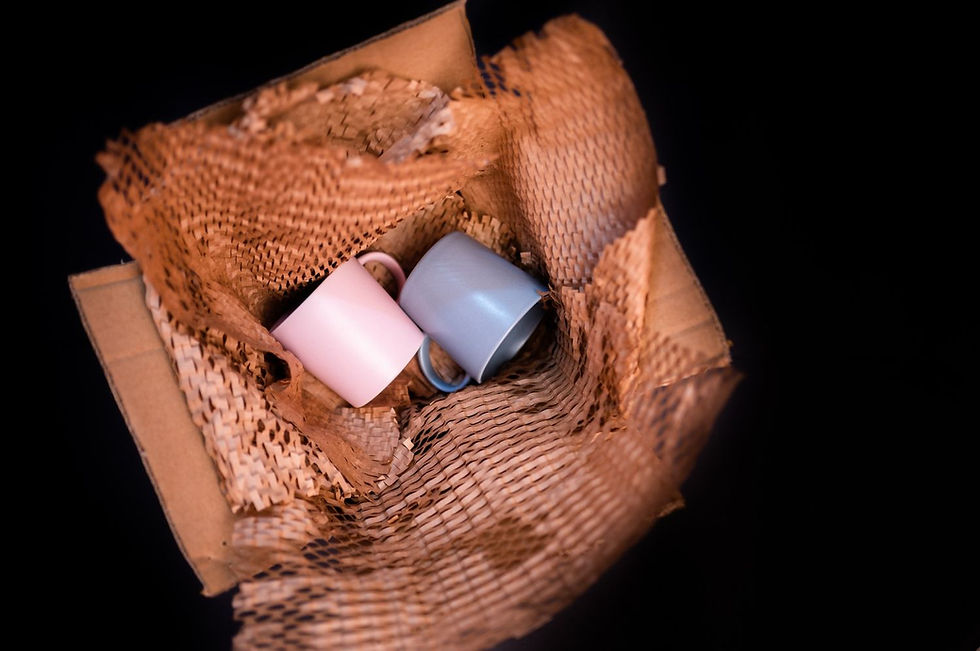
Bubble Paper is a paper-based protective packaging material designed to cushion products during storage and transportation. Its textured design helps absorb minor impacts while reducing scratches and product movement inside shipping boxes.
Unlike conventional plastic cushioning, Bubble Paper offers a flexible wrapping solution that adapts to a variety of product shapes, making it suitable for industries such as eCommerce, cosmetics, home décor, electronics, gifts, and glassware.
Initial Purchase Cost
One of the most common questions businesses ask is whether Bubble Paper costs more than plastic packaging.
The answer varies depending on:
Material quality
Roll size
Thickness
Order quantity
Supplier
Packaging application
While the unit price of Bubble Paper may sometimes be higher than basic plastic packaging, comparing price alone does not provide the complete picture. Businesses should evaluate the overall packaging value rather than focusing only on the initial purchase cost.
Product Protection Can Reduce Hidden Costs
A lower-priced packaging material may seem like a good deal, but it can become expensive if products arrive damaged.
Shipping damage often results in:
Product replacements
Refunds
Return shipping costs
Customer complaints
Lost future sales
Bubble Paper provides dependable cushioning that helps protect products during handling and transportation. Better protection can reduce these hidden costs and improve overall profitability.
Storage Efficiency
Storage costs are another important consideration.
Businesses with limited warehouse space need packaging materials that are easy to store and organize.
Bubble Paper is available in compact rolls that are simple to handle and store. Efficient storage can help businesses optimize warehouse space and improve inventory management.
Shipping Costs
Package weight directly affects shipping expenses for many businesses.
Heavy packaging materials increase transportation costs over time.
Bubble Paper is lightweight while still providing reliable protection. This combination helps businesses maintain efficient shipping without adding unnecessary weight to every order.
For companies shipping hundreds or thousands of packages each month, even small weight savings can contribute to improved operational efficiency.
Faster Packaging Operations
Packaging time also influences overall costs.
Employees who can package products quickly help improve warehouse productivity and reduce labor expenses.
Bubble Paper wraps easily around products of different shapes and sizes, allowing packing teams to work more efficiently.
This flexibility reduces the need for multiple protective materials and simplifies the packing process.
Less Need for Multiple Packaging Materials
Many businesses rely on several packaging products for a single shipment, such as:
Plastic bubble wrap
Foam sheets
Loose fillers
Protective inserts
Managing multiple materials increases purchasing, storage, and inventory complexity.
Bubble Paper can often perform several protective functions at once by wrapping products securely while providing cushioning and reducing movement.
Using fewer materials can simplify warehouse operations and improve packing consistency.
Customer Perception Adds Value
Today's customers notice packaging quality.
Well-protected products packaged with Bubble Paper create a professional first impression and demonstrate attention to detail.
Many customers also appreciate paper-based protective packaging because it reflects thoughtful packaging choices and supports businesses that prioritize responsible practices.
Positive customer experiences often lead to repeat purchases and stronger brand loyalty.
Suitable for Many Industries
Bubble Paper performs well across a wide variety of industries, including:
eCommerce
Protecting products during parcel shipping.
Cosmetics
Wrapping fragile bottles and beauty products.
Home Décor
Preventing scratches on decorative items.
Electronics
Protecting accessories from surface damage.
Gift Packaging
Creating attractive and secure presentations.
Its versatility allows businesses to standardize packaging across multiple product categories.
Bulk Purchasing Benefits
Businesses with high shipping volumes often purchase packaging materials in bulk.
Buying Bubble Paper in larger quantities can help improve purchasing efficiency while ensuring consistent packaging quality across all shipments.
Working with a reliable supplier also helps maintain a steady inventory and avoid supply interruptions.
Long-Term Business Value
When evaluating packaging costs, businesses should consider long-term value rather than short-term savings.
Bubble Paper contributes to:
Better product protection
Fewer damaged shipments
Improved customer satisfaction
Efficient warehouse operations
Professional package presentation
These advantages can outweigh small differences in material cost over time.
Why Businesses Are Choosing Bubble Paper
At EcoCushion Paper, we've seen businesses across many industries switch to Bubble Paper because it offers a practical balance of protection, efficiency, and operational value.
Customers often tell us they appreciate:
Consistent packaging quality
Reliable cushioning
Faster packing
Flexible applications
Cleaner package presentation
These benefits support smoother day-to-day operations while helping businesses deliver a better customer experience.
Tips Before Comparing Packaging Prices
When comparing Bubble Paper with plastic packaging, ask yourself:
Which material protects products more effectively?
Which improves packing efficiency?
Which reduces product returns?
Which creates a better customer experience?
Which supports long-term business growth?
Answering these questions provides a more accurate comparison than price alone.
Final Thoughts
Comparing packaging materials based only on purchase price can overlook the factors that have the greatest impact on business performance. While the upfront cost of Bubble Paper may differ from traditional plastic packaging depending on the supplier and application, its overall value often extends far beyond the initial investment.
At EcoCushion Paper, we believe businesses should evaluate packaging based on protection, efficiency, shipping performance, customer satisfaction, and long-term operational benefits. Bubble Paper offers dependable cushioning, lightweight performance, and versatile applications that help businesses reduce shipping risks while creating a professional unboxing experience.
For online stores, manufacturers, wholesalers, and retailers looking to improve packaging quality, Bubble Paper represents a smart investment that supports both business growth and modern packaging expectations.



Comments