Is Honeycomb Paper Packaging wrap safe for electronics?

When it comes to shipping or storing electronics, one question always comes up first: is the packaging really safe? Smartphones, laptops, accessories, and electronic components are delicate, expensive, and highly sensitive to impact. Traditionally, plastic bubble wrap has been the go-to solution. But as businesses move toward sustainable alternatives, many are now asking whether Honeycomb Paper Packaging can truly protect electronics just as well—if not better.
The short answer is yes, honeycomb paper packaging wrap can be safe for electronics when used correctly. Let’s break it down in a simple, practical way.
Why Electronics Need Special Packaging
Electronics are vulnerable to several risks during transit:
Shock and vibration from handling
Pressure from stacking during shipping
Surface scratches and cosmetic damage
Movement inside the box that leads to internal damage
Good packaging must cushion the product, keep it firmly in place, and protect it from external forces—all without adding unnecessary weight or waste.
This is where Honeycomb Paper Packaging stands out.
How Honeycomb Paper Packaging Works
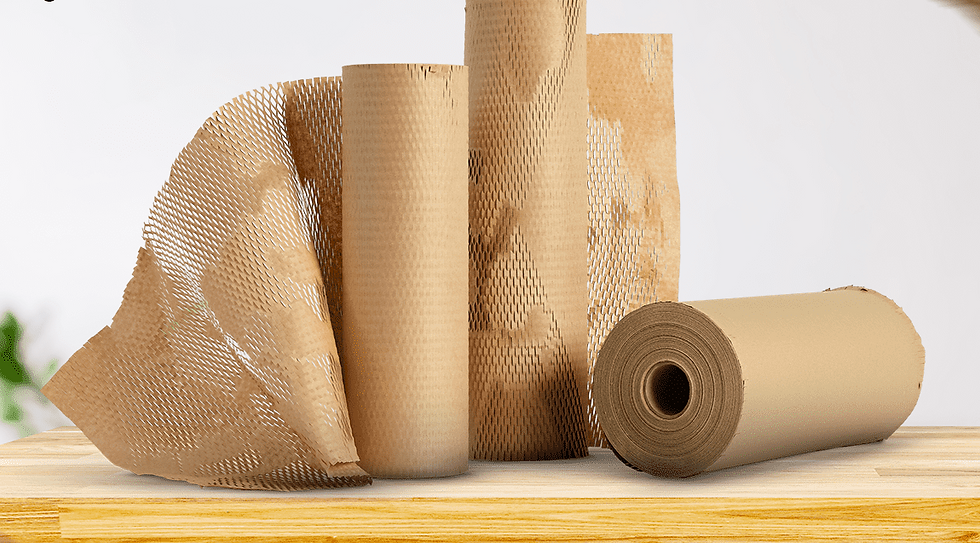
Honeycomb paper packaging is made from kraft paper that expands into a three-dimensional honeycomb structure when stretched. This design is not just visually interesting—it’s highly functional.
The honeycomb pattern creates air pockets similar to bubble wrap. These pockets act as natural shock absorbers, dispersing impact energy and reducing direct force on the product. Once wrapped around an item, the paper grips it securely, minimizing movement inside the box.
For electronics, this structure plays a crucial role in protection.
Shock Absorption for Fragile Electronics
One of the biggest concerns with electronic items is impact during shipping. Honeycomb paper packaging provides excellent cushioning because:
The expandable cells compress under pressure
Impact force is spread across the structure
Sudden drops or knocks are softened
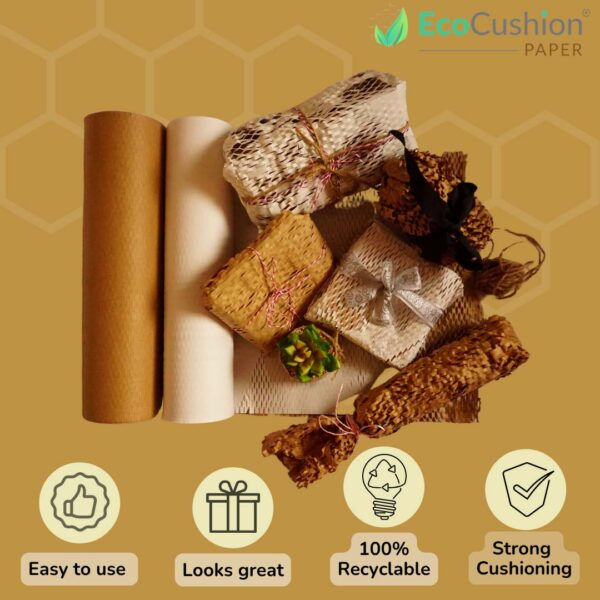
When used properly, Honeycomb Paper Packaging can protect items like headphones, tablets, chargers, small appliances, and even laptops during normal shipping conditions.
At EcoCushion Paper, our honeycomb wraps are designed to deliver consistent cushioning while maintaining flexibility and strength—making them suitable for electronics of various sizes.
Scratch Protection and Surface Safety
Electronics aren’t just fragile internally; their surfaces matter too. Screens, casings, and polished finishes can easily get scratched during packing or transit.
Honeycomb paper packaging helps prevent this by:
Creating a soft paper barrier between products
Holding items tightly to avoid friction
Eliminating plastic surfaces that can trap dust or grit
For added safety, especially for premium electronics, many businesses pair honeycomb paper with a thin layer of tissue or paper padding. This combination offers both scratch resistance and impact protection.
Lightweight Yet Strong Packaging
Another advantage of Honeycomb Paper Packaging is its strength-to-weight ratio. Electronics shipping costs often depend on weight, and heavier packaging means higher expenses.
Honeycomb paper is:
Lightweight compared to molded plastic or foam
Strong enough to protect without bulk
Easy to wrap and customize around products
This makes it a smart choice for e-commerce sellers who want to balance protection with cost efficiency.
Is Honeycomb Paper Packaging Eco-Friendly?
Absolutely—and this is one of its biggest advantages.
Unlike plastic bubble wrap, honeycomb paper packaging is:
Made from recyclable kraft paper
Biodegradable and plastic-free
Easy for customers to dispose of responsibly
As consumers become more eco-conscious, sustainable packaging plays a major role in brand perception. Using Honeycomb Paper Packaging shows that your business cares about both product safety and environmental impact.
At EcoCushion Paper, sustainability is at the core of what we do. Our honeycomb packaging solutions are designed to help businesses reduce plastic waste without compromising on protection.
Best Practices for Using Honeycomb Paper for Electronics
To get the best results, proper packing technique matters. Here are a few simple tips:
Wrap tightly – Stretch the honeycomb paper fully so the cells expand and grip the product.
Layer smartly – Use multiple wraps for heavier or more delicate electronics.
Fill empty spaces – Add paper void fill to prevent movement inside the box.
Use snug boxes – Oversized boxes increase the risk of impact damage.
Following these steps ensures that honeycomb paper packaging performs at its best.
When Is Extra Protection Needed?
While honeycomb paper packaging is highly effective, extremely sensitive electronics—such as components with exposed circuitry—may require additional measures like anti-static bags. However, for most finished electronic products, honeycomb paper packaging provides more than enough protection for standard shipping and handling.
Final Thoughts: Is It Safe?
So, is honeycomb paper packaging wrap safe for electronics? Yes, it is.
When used correctly, Honeycomb Paper Packaging offers reliable cushioning, scratch protection, lightweight performance, and eco-friendly benefits—all essential for modern electronics shipping. It’s a smart alternative to plastic that aligns with sustainability goals without sacrificing safety.
If you’re looking to protect electronics while upgrading to greener packaging, EcoCushion Paper offers honeycomb solutions designed for performance, reliability, and responsible shipping.



Comments